

The story
At last you can leave the world behind and embrace the untamed rhythm of the Scottish Highlands to find peace in the shifting seasons—a harmony born from surrendering to nature’s wild, uncontrollable beauty.
The philosophy
Many Western myths are devoted to quests and silent about what follows them. The stories end where the hero wins, as if peace were merely an epilogue — the absence of plot.
“Last Rose Of Summer” settles into that silence.
The hero of “Eternal Echoes” does not return with a prize; he returns with nothing, and chooses to live with it, small, among growing things, no longer fighting or chasing. In the traditions of acceptance — Stoic and Taoist alike — this is not retirement but completion: the cup made useful by being emptied. The warrior’s rest is not defeat endured, but an achievement the quest itself could never deliver.
Against this stillness, the song also keeps a strange conversation.
A martial procession passes through the landscape at intervals with angular and structured drums — while an uncontrolled voice circles the outskirts, wild, answering without obeying. Here are the oldest pair in the archetypal imagination: order and chaos, the structured masculine and the free feminine, neither conquering the other. The lesson held in their dialogue is the song’s final wisdom — that peace is not the silencing of the army or the taming of the spirit, but the moment both agree to pass through the same garden, each permitted its voice.
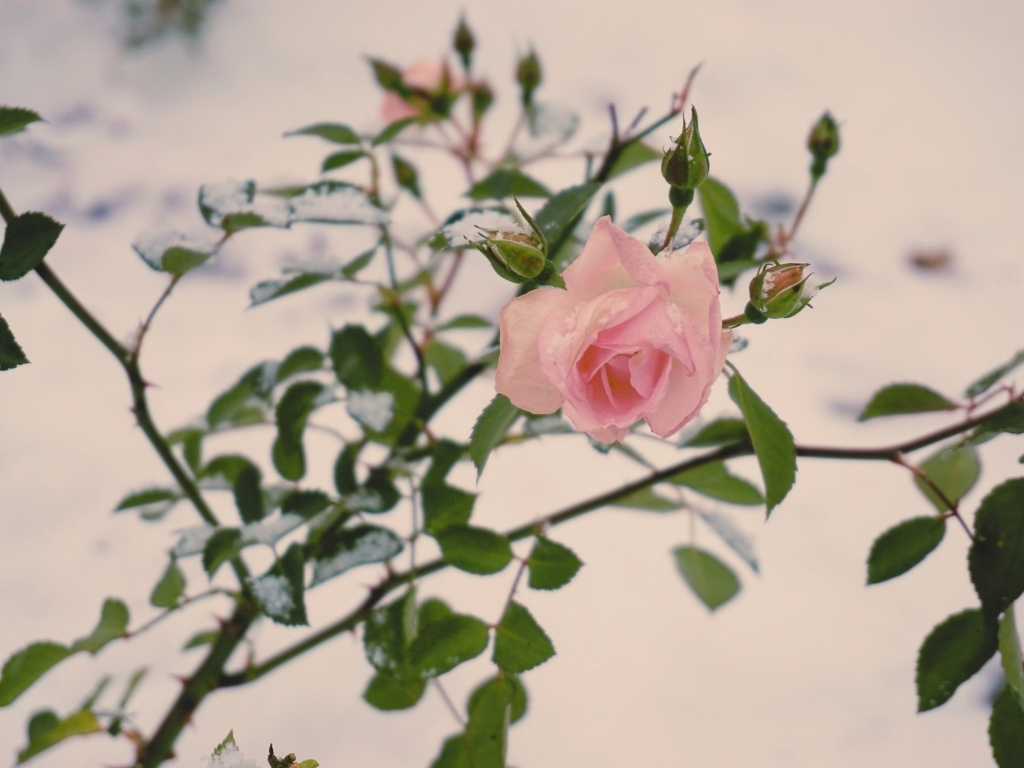
The rose does not ask the procession to stop. It simply keeps blooming after the drums have gone.
The song
All streaming links will be published here.
The lyrics
The fiction
The facts
The gallery


Leave a Reply