

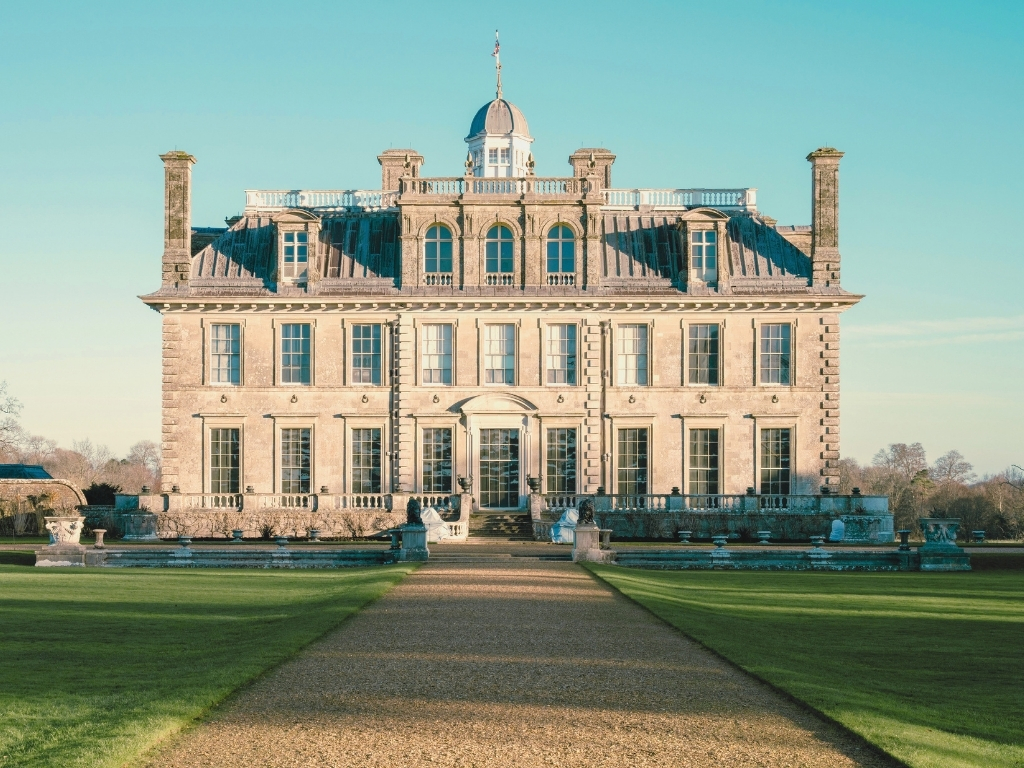
Last Rose of Summer was born in a late summer of the mid-1990s, out of a synthesizer.
I had saved for a long time to buy a Korg Trinity, and its arpeggiator became my playground. One evening — it must have been a warm stretch of July or early August — I set the machine to a small bell-like arpeggiated pattern, and as the pattern emerged, I gradually began to hear the chorus melody of this song inside it. Adding the reverbed chords to go inspired by the countryside I lived in at the time, where nature was in full bloom, and from there came “Last Rose Of Summer”.
The title comes from Thomas Moore’s old poem, though I’m not sure I had read it when I composed the melody. Whether by accident or osmosis, the poem and the song ended up in the same part of the world: his rose stands in Ireland, and mine stands in Scotland. Somewhere thereabouts, in any case.
For a long time I didn’t know what to do with the song.
In the 1990s it had no home. But when I was planning Eternal Echoes, I knew I needed a song to end the album, and I realized the hero’s journey required one final step. Through Underwurlde and the tracks that follow, the hero descends, loses, learns, mourns — but he never finds resolve, never finds a place to rest. So the journey had to proceed one more step, and that step turned out to be “Last Rose of Summer”: the hero settles down, makes his peace with the world, feels no more need to fight or to chase adventures. He simply lives, quietly, together with nature.
Making the song was another matter.
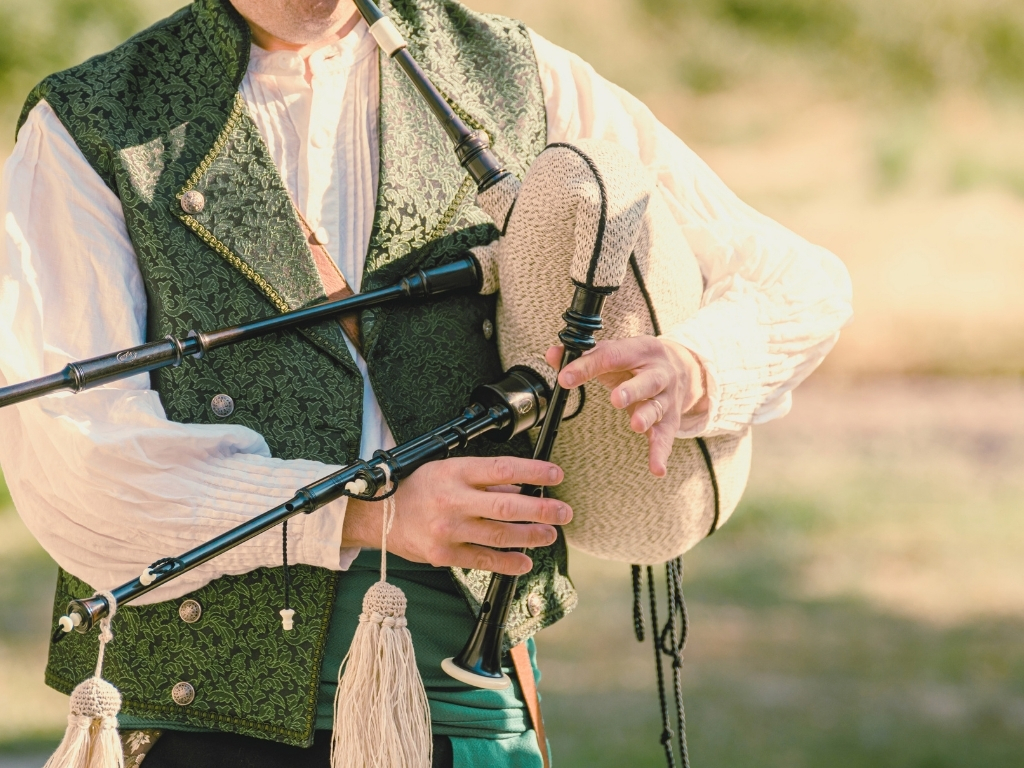
It was important to me that every song on Eternal Echoes have its own distinct personality, and each one needed an ethnic element to anchor it somewhere on the map. Since the lyrics mention the Highlands, the song should hail from Scotland — and the native instrument of Scotland is, of course, the bagpipe.
This was a genuine challenge for my producer Juho, who had never sampled bagpipes before. Finding a live player wasn’t in the cards in time, so Juho began sampling bagpipe sounds, and it quickly became evident that whatever he was doing was working remarkably well for the atmosphere of the song. He ended up using something like fifteen different bagpipe samples in the arrangement.
And now, the song opens with what I can only call a bagpipe orchestra, and not only that, but then a military tattoo drum section steps in — and I still can’t explain this song to myself. The hero is supposed to be living at peace with nature, and yet here comes this military procession, marching past every now and then, making noise.
What is going on in this song?
I really don’t know. But I love it.
It’s an exceptional way to end an album — completely out of the blue, and surprising.
One thing I realized as we neared completion: if this song is really about the last rose, then the voice of the Rose needs to be there.
I didn’t have to look further than my own vocal coach, Emmi. I invited her to one of the last sessions and we played her the track. She asked immediately to hear it again, just to digest it. I told her: you can do whatever you want. After Stand By You, Landscape Fantasy, European Son, Free To Fly and Morning, where she has sang backing vocals, I trusted her instinct completely — neither of us knew what she would do, but she gets my style, I get hers, and I knew she would produce something that supported the song’s identity.
And she certainly did!
We ended up calling her creation the Björkshee — an amalgamation of Björk, the Icelandic singer, and the banshee, the supernatural creature of British mythology.
The character she created moves around the outskirts of the soundscape, on the fringes of nature where the hero now sits, and the hero carries on a kind of dialogue with nature through her. The military bagpipes provide the structured, angular element of the song; the Björkshee is the wild, uncontrolled element.
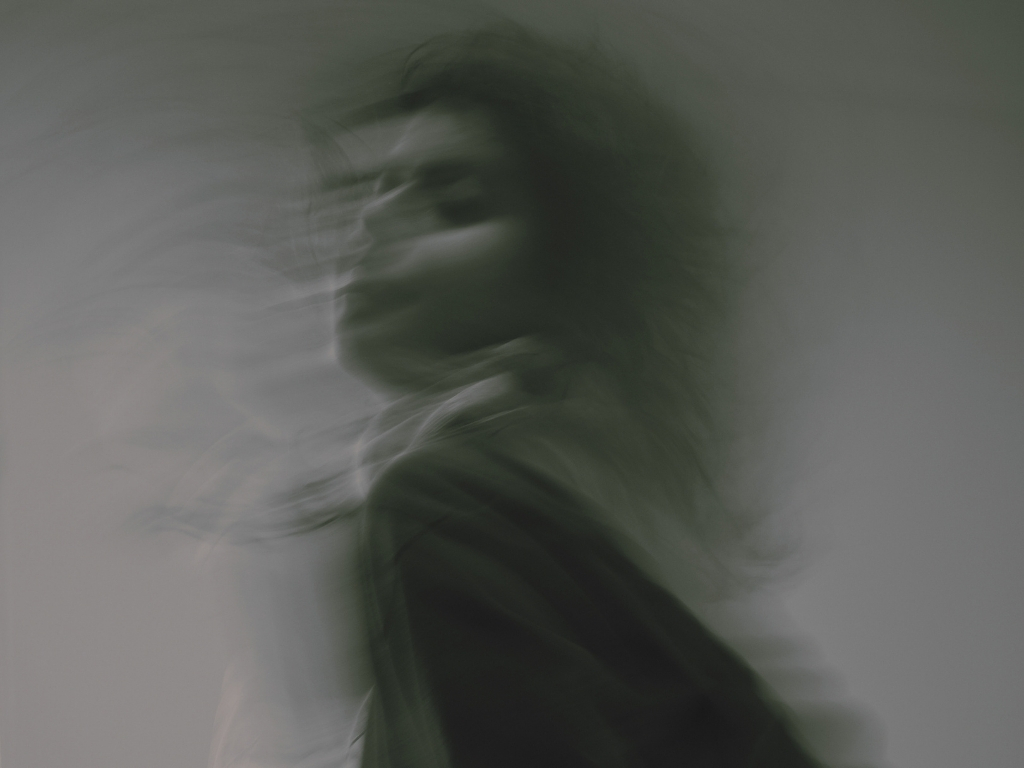
Two opposite ends of existence, having an fascinating conversation in the mix. I really love that.
Releasing an album is always, in the end, a question of letting the art go — letting it fly on its own wings.
You have done everything you can with the writing, the producing, the recording, the mixing, the mastering, and eventually you have to draw the line where more work will no longer improve the art. In that sense, “Last Rose of Summer” is also a song about releasing “Eternal Echoes” itself: about finishing the work, letting it leave, and seeing how it is received out in the world.
My claim with this whole album is that myths and fairy tales are not something we only read about or watch in movies.
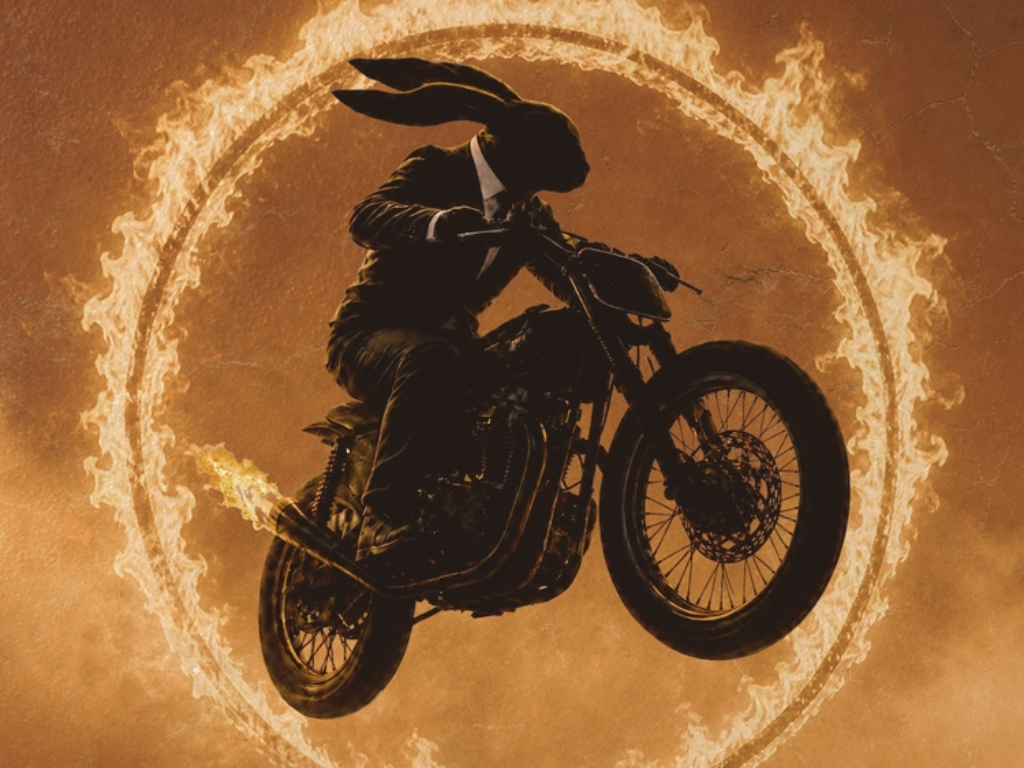
We are living them, still, every day. Every day there is a Little Mermaid somewhere, ready to sacrifice something to enter the world where the person she longs for lives — and losing it all. Somewhere there are Hansels and Gretels trying to find their way back home, like refugees. Somewhere a Pandora is opening a box and unleashing something into the world — a pandemic, a folder of secrets, a computer virus.
Eternal Echoes is a collection of ten such stories, a reminder that the hero’s myth is alive, and that each of us is at some stage of the journey.
Listening to the finished album in the studio with Juho and Emmi was its own experience.
First, a confession: I can honestly say no headphones do this music justice!

“Eternal Echoes” must be heard on big, professional loudspeakers to catch the myriad nuances Juho baked into these songs and which I’m myself also still discovering.
Secondly, the album works on you as a journey and it’s quite a tough one. By “I Held You Once” we were exhausted and longed for release, which “Morning” conveniently provides. Then comes the surprise ending, and we were all big question marks: what does it mean that “Last Rose of Summer” is here?
I still can’t explain what goes on in this song. I can only appreciate it on an artistic level.
Looking back at the album now, I also see a collection of male and female archetypes there.
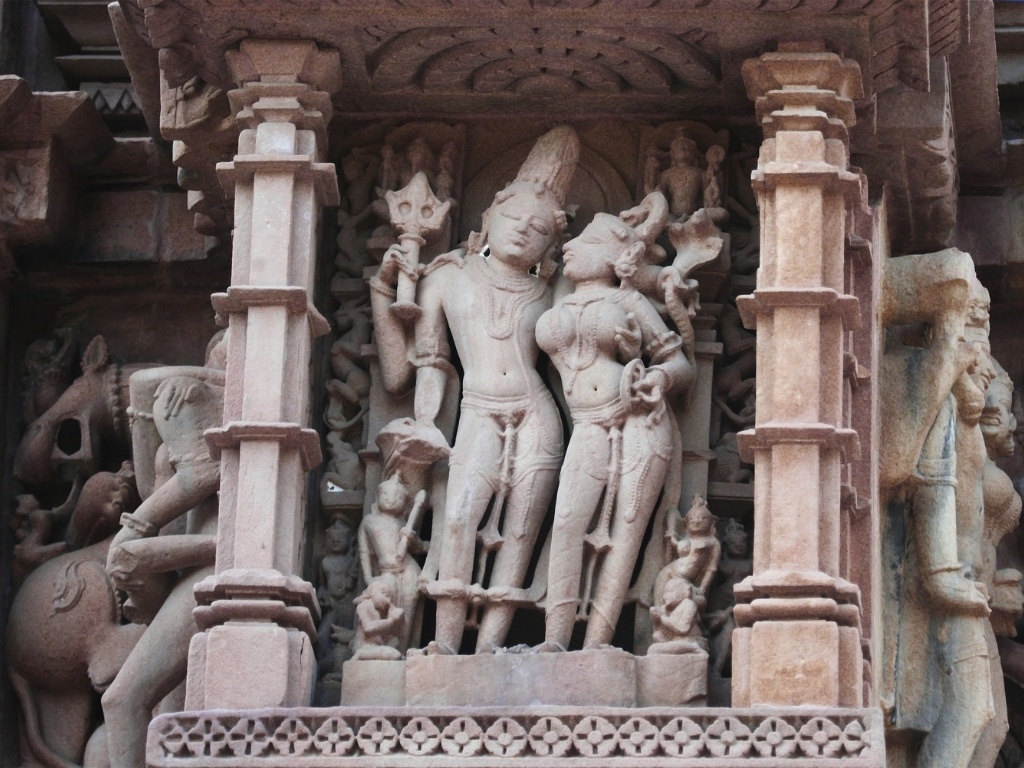
Brothers and sisters in Underwurlde. The prodigal son of Skylark. The whimsical older male of Poliphilos’s Party. The older female mentor of Free To Fly. The monster male of My Dreams of Tomorrow. The younger bunch of Love Boat. The traditional man-woman romance of European Son — and the traditional man-woman breakup of I Held You Once. The strange females of Morning and their fertility cult. And at the end, the structured male and the wild female of Last Rose of Summer.
I’m sure all of this says something about me, but I’m not sure what. Perhaps you can tell me in the comments? If anything, such are the creatures that live in the world of Poliphilos.
One more thing. As the last song on the album, Last Rose of Summer provides an ending — but the ending holds a beginning.
The album closes with the same sound of wind that Underwurlde began with; the circle closes that way. The lyrics, on the other hand, promise a new spring: the rose blooming from under the snow.
Whether that spring is my next album, which I already have cooking in my head — a futuristic, science-fiction, cyberpunk kind of album — remains to be seen. I look forward to finding out what role this rose might play there.
If any.
Meanwhile, I hope you enjoy “Eternal Echoes”.

Leave a Reply