

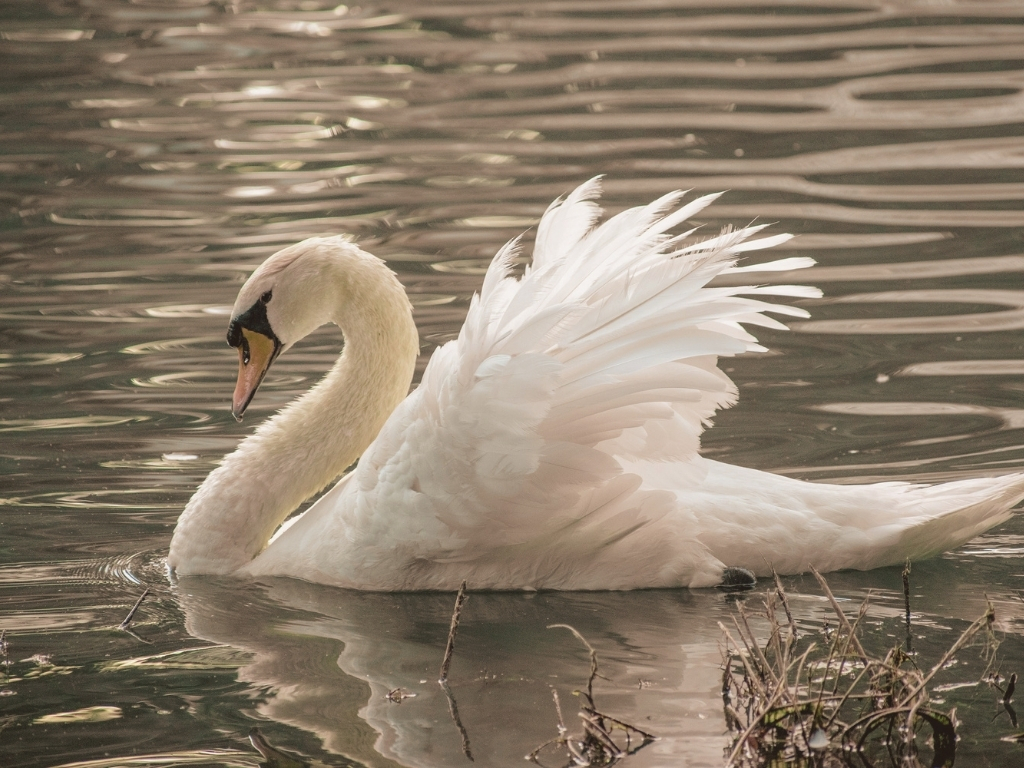
Doin’ the Pompeii
Late last summer Poliphilos was passing by Pompeii when he heard a strange sound.
The Italian heat sat upon the skin like in August like it has done for millennia, and pressed his emerald green Indian silk suit into the bones like a heavy, ancient weight. The air in this region smelled of sulfur, dried lavender,
“and the ghost of a thousand screams”, thought Poliphilos to himself.
On their summer home in Capri, his parents had told him the stories of the earth erupting here and at the time they were still not sure if it actually was a punishment for all the sins that were made in Pompeii, or just one of those things that takes place every now and then that happen to destroy a civilization. Even later, Poliphilos had learned who actually was behind it, but that’s another story you can read in here).
There were a lot of tourists in Pompeii again.
Everybody from Korea, China and the US wanted to do Pompeii on their way of doing Champs Elysees, the Akropolis and whatnot.
“I wonder how many places they all need to do?”, asked his personal Messenger, who emerged from thin air like they do.
“That is a good question”, replied Poliphilos. “Let’s hope those do:s are educational”.
“And what do you think the lesson here is?”, asked the Messenger.
“That they’re photographing their own extinction”, answered Poliphilos.
“It’ll take years before they each realise that”, stated the Messenger.
“Let them take their time. Say, do you hear that sound? It’s as if it’s emerging from the ruins and it faintly rings a bell”, asked Poliphilos.
“I hear it too!, said the Messenger and took off in a flurry of wings. The tourists noticed nothing. Too busy taking those selfies.
In the background the great mountain still stood up, grey in the distance, but as if reminding humanity that things better get better, or else.
There had been a few “elses”.
The japanese had learned their lesson so Fujisan had quieted down. So had the Indonesians with Krakatoa. There was still something wrong in Iceland, so reminders were made every now and then.
“What’s with the Icelanders?”, I asked when the Messenger returned.
“You can tell by looking at their Eurovision representatives”, it answered.
“Oh?”, I inquired.
“Yes”, the Messenger said. “Björk did manage to escape, but we’re handling it”.
“I see. I also know a few other places that you could handle”, said Poliphilos while proceeding towards the sound.
His boots continued crunching on the dusty pavers.
The pavers had once been polished smooth by the feet of those who fled a burning city long ago. He hadn’t come looking for the past, but he had an eerie feeling the past might have just found him.
Poliphilos himself was more a man of water and stone, a refugee from a lineage of survivors who knew that home was not a place you stayed, but a story you survived, and then made it to a legend along the luxuries he used to sell to everybody.

The Ruins
Presently, they entered a place called “The House of the Faun”, or what remained of it. The air was thick with the dust of centuries.
The whistle was audible here. It was faint, high-pitched, and impossibly clear against the wind funneling through the broken colonnade.
“And there’s a rhythm to it!”, exclaimed Poliphilos.
Poliphilos stopped before a faded fresco on the inner wall. It depicted a small bird, a skylark, perched on the edge of a crumbling archway of a domestic building, its wings half-spread as if caught in the very moment of departure. The paint was chipped, but the intent was clear: it was leaving.
“When I left my home, my home by the river,” Poliphilos suddenly whispered, the words tasting like ash. But also like a memory. “What were those words?”
Then the wind through the archway seemed to deepen, humming a low, mournful note that vibrated in his sternum. A memory came back.
It was the sound of a door closing. His door to his room.
He remembered the river, not as a scenic backdrop, but as a boundary line.
The day he walked away, the water had been still, reflecting a sky that felt too large for the house he was leaving. He had told his parents he wouldn’t be coming back. He had meant it. He had meant to sever the tether, to cut the cord that bound him to the expectations, the arguments, the heavy silence that had grown between them like ivy on a ruin.
The Messenger hovered nearby, a blur of motion. “And yet, here you are. The river can flow both ways, you know.”
“I know,” Poliphilos said, his eyes fixed on the bird. “But I didn’t think I’d be coming back just yet.”
As they stood there, Poliphilos caught another sound pulsing further away.
He moved deeper into the house, into a room that had once been a bedroom. The walls were bare save for a single, striking image: the same skylark, but this time it was painted inside a small, open window frame, looking out. The perspective was strange; the bird wasn’t looking at the viewer, but at the empty space where a bed should have been.
The wind here was sharper, a staccato rhythm that matched the jagged edges of the fresco.
“You can take my room if you think I won’t come back again,” Poliphilos recited, the line surfacing from the depths of his memory.
He remembered the argument. The shouting.
The way his father had pointed to the empty chair at the table and said, “If you leave, that seat is gone. If you leave, your room is gone.”
It was a threat from an Ancient Manager, as his official title was, to a future one, who was needed to succeed his fathers post.
But it also was a test, and a plea all wrapped in one. Poliphilos had looked at the room, at the posters he had torn down, at the desk he had cleared, and he had felt a cold, hard resolve. He had said the words. He had offered the room back. He had offered the inheritance back. He had offered everything back, thinking that if he gave it all up, he would finally be free.
“And I didn’t,” Poliphilos murmured, turning away from the window. “So they did.”
The Messenger let out a soft, dry chuckle. “They always fill the void. They always take the room. They always take the name. But you have since written your own song.”
He moved to the next room, the triclinium, where the dining table lay shattered.
On the wall was a mural of a third bird, this one painted with a splash of blue, as if dipped in the sea. The wind here was a G minor, but still warm and resolving.
The melody was shifting now, the notes blending into a chord that felt like a sigh of relief.
Poliphilos felt the weight of the years pressing down on him, the exhaustion of the journey, the battles fought in silence, the nights spent in cheap taverns and foreign cities, the constant struggle to find a rhythm that wasn’t dictated by someone else.
“And it nearly took my energies,” he said, his voice rough. “But I had to find my own way.”
He remembered those years of wandering in the north.
There were times he had wanted to give up, to turn back, to admit that the road was too long and the cost was too high. He remembered the hunger, not just for food, but for purpose. He remembered the moments of doubt, the whispers that said he was foolish, that he had thrown away a good life for a dream.
But he had kept walking. He had kept listening. He had found his own way, not by following a map, but by following the sound of the wind.
Poliphilos walked faster now, drawn by the invisible thread of sound.
He passed through the bath, the garden, the courtyard. In each room, a bird. In each room, a note. The wind was no longer just wind; it was a choir, a chorus of the dead singing a song of forgiveness.
But it was the image in the final room—the roof terrace—that stopped him.
The Inheritance
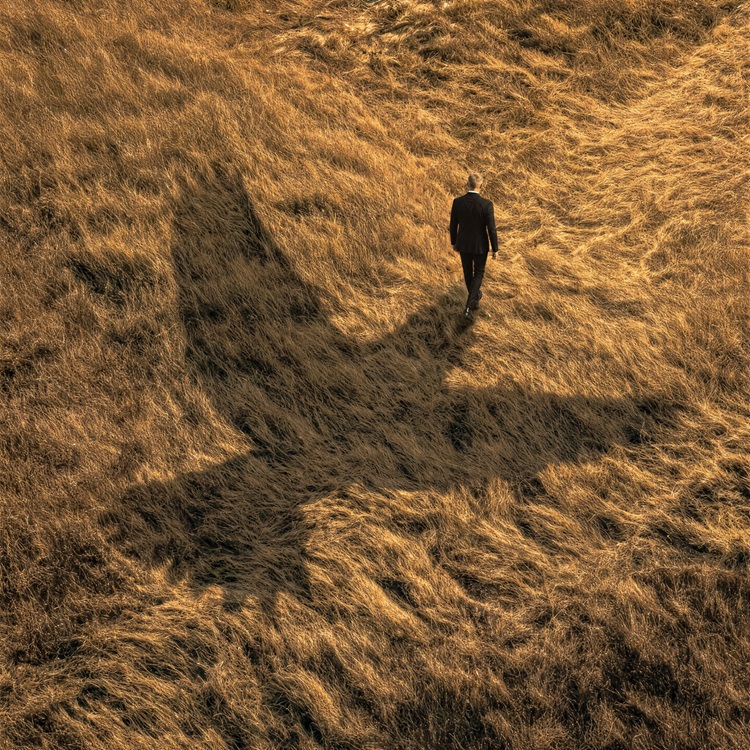
The fresco was damaged, the paint peeling, but the figure was unmistakable. It was a boy kneeling before a father, but the father was transforming. His arms were gone, replaced by feathers. They were wings. And then, hovering above him, watching with eyes that held the weight of centuries, was a swan.
A great, white swan.
He was silent for a moment.
“I see it now,” Poliphilos said. “The father. The god. The trickster.”
“The story they told you,” the Messenger said, “is the story of the obedient son. The story of the return. The story of the inheritance. But that is their story. You write your own.”
“What is my story?” Poliphilos asked.
“The story of the flight,” the Messenger said. “The story of the son who does not return to kneel. The story of the son who returns to fly. The father is not a man to be obeyed. He is a god to be transcended. The inheritance is not the house by the river. It is the sky.”
The wind blew through the seven halls, and the melody swelled, a haunting, country-tinged tune that sounded like a lullaby and a war cry all at once. Poliphilos closed his eyes and let the sound wash over him. He heard the argument, the silence, the exile, the eruption, the silence. He heard the forgiveness as a release.
The ash had covered them, but I will not come to fall.
He opened his eyes. The swan in the fresco seemed to blink. The bird in the corner of the room seemed to flutter.
He pulled out his notebook, the paper blank, waiting. Then he wrote the title: Skylark.
“I understand,” Poliphilos said to himself. “I didn’t leave to find myself. I left to become the bird.”
Poliphilos looked up at the sky. A real skylark sang, a high, clear note that cut through the heat and the ash.
“Thank you,” he said.
And with that, he continued his journey, leaving only the wind, the ash, and the song, which you can now listen to in here.
Leave a Reply