

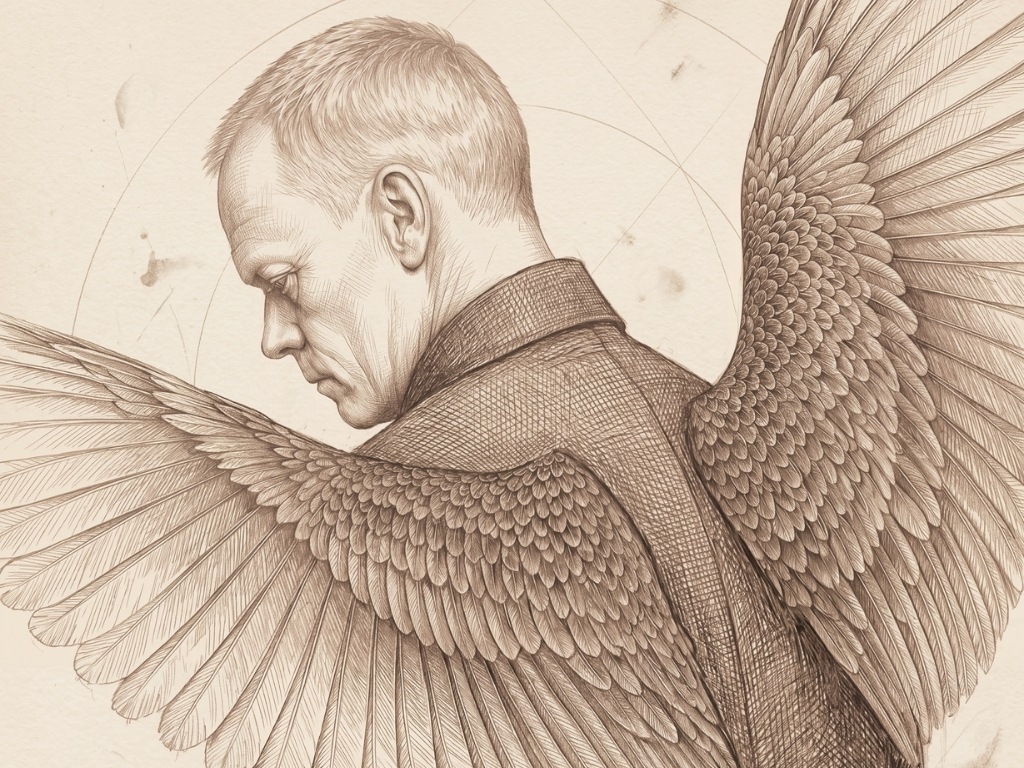
1. The Origin: A Room, a River, and a Rebellion
The seeds of Skylark were planted in the early years of my independence, a time of raw self-discovery and quiet rebellion of the 1990s. After graduating from high school and completing my army service, I was expected to follow a conventional path—doctor, lawyer, or pilot.
But then I saw a vision.
I wanted to become a professional dancer-actor-singer – a choice that really shocked my parents. But somehow, their resistance only fueled my determination; as I told them at the time, forbidding me from pursuing a direction would only make me more resolved to go there, because that’s how people are like where I come from.
Eventually they got over the shock, which is when my mother asked if they could take over my old room. I said yes if she thinks I won’t return to live in this house. It took another year before she actually did.
That room, and the act of letting it go, became a symbol of my departure—not just from my childhood home, but from the expectations that had been placed on me. I left to find my own way, to carve out a life that felt authentically mine, and they seemed to make their peace with it by conquering my childhood room.
Thus, for ten years, I studied, worked and lived as a professional performer, embracing the chaos and creativity of the stage.
But eventually, the intensity of that life wore me down. I studied a business degree, found stability in a corporate career, and my parents were relieved.
Yet, even as I settled into that world, I felt the pull of something else—something wilder, freer, and more aligned with who I truly was.
Then, in 2018, my apartment in Helsinki was renovated, and I decided to return to my hometown to continue working remotely.
To my surprise, I found myself captivated by the slower pace of life, the historical wooden houses, and the quiet beauty of the place. The lack of sensory overload from the city cleared mental space, and my creativity exploded. It was then that I finally began producing my songs, with my fantastic producer Juho Isomäki. This included Skylark, which I had composed all the way back in 1997.
2. The Heart of the Song: Forgiveness and Flight
Skylark is, at its core, a song about freedom and forgiveness.
It’s about the tension between the life others envision for you and the life you choose for yourself.
My mother, for instance, wanted me to have a respectable, materially successful life. Her intentions were good—she wanted to prove something to her own father, who had once told her, “Don’t you think anything of yourself.” Then, when I once appeared on a television show, she was overjoyed: “Our son is on television!” It was her moment of validation, a boomer raised on the cultural touchstones of the 50s and 60s.
But for me, Skylark is about more than just defiance.
It’s about understanding that my mother’s dreams for me came from her own wounds, her own need to prove herself. And it’s about forgiving her for not seeing me as I truly was. The line “Vengeance is a poison I can’t swallow” captures this moment of release—realizing that holding onto resentment only hurts yourself.
Incidentally, I can’t blame my grandfather either.
The reason is that his views of my mother were shaped by the experiences of her father in the Second World War, where he had fought on Finland’s side against Russia. My relatives have told me that he was a changed man—obviously for the worse—which is completely understandable. And somehow, his solution was to avoid encouraging my mother to pursue her ambitions.
I’ve talked about this with my friends, and we Gen Xers do recognize this not just in Finland, but elsewhere, too. The Second World War still lives within us and it’s our job not to pass it on to our children.
That’s one of the reasons I decided not to have children of my own. There’s too much going on inside me that I need to deal with, for example by conveying it to art. Also, I see myself as a wanderer, someone who dreams of resigning from my responsibilities and exploring the world, but who often still ends up putting other responsibilities first.
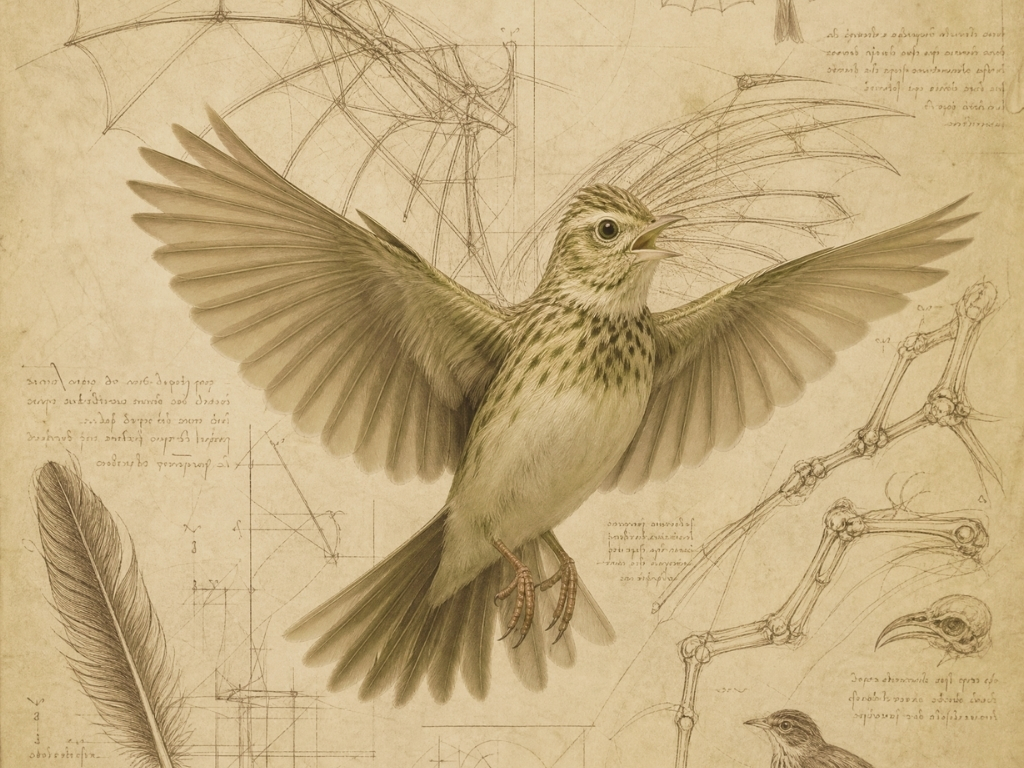
Skylark, in fact, is my reminder to prioritize my art, my truth, and my own path. It’s a song about hearing the call to adventure, about rising above the noise, and finding the courage to fly.
3. The Sound of the Skylark: A 30-Year Journey
The lyrics for Skylark came quickly once my thoughts and emotions organized themselves into a narrative. But the song itself has been a long time coming. I composed it in 1997, but it took 30 years to find the right sound—the right producer, Juho, who finally brought it to life in a way that satisfied me.
Musically, Skylark is rooted in the country and western influences that resonated with me during its creation. We listened to a lot of country music, and Lainey Wilson’s sound struck a particular chord. The steel guitar in the track is a nod to the cowboy theme, tying into the idea of the wanderer, the free spirit who roams without being tied down.
In the context of the Eternal Echoes album, Skylark serves as a counterpart to Underwurlde, another “Eternal Echoes” single, which sets the scene of a destroyed world. While Underwurlde explores darkness and collapse, Skylark is about the hero hearing the call to adventure. It’s a song of hope, of rising above, and of finding the strength to embrace your own journey.
4. The Message: Fly, Forgive, and Find Your Way
Skylark is a song for anyone who has ever felt trapped by expectations, by the past, or by their own fears.
It’s a reminder that you don’t have to choose between who you are and who others want you to be. You can forgive, you can fly, and you can find your own way.
For me, it’s a celebration of the wanderer’s spirit—the part of me that dreams of freedom, of open roads, and of a life lived on my own terms. And it’s a promise to myself: to turn the tables, to prioritize my art, and to answer the call of the Skylark.
Leave a Reply