

1. The Origin: From Daydream to Dualism
The inspiration for “European Son” emerged from a deeply personal place, rooted in my own romantic 20-something daydreams in the 90’s. There’s also a sonic memory from the performance of Helsinki Dance Company and its interval act sung by Tove Wingren in 1996. It must then have been around 1997 when I sat at my piano and combined these two experiences for a demo that would later emerge as European Son.
Yes, this means it stayed in my drawer for 30 years!
I did have a few different versions produced by a few producers, but after each project I felt that the song still hadn’t reached its full potential so back into the drawer it went.
It stayed there waiting for a producer that make the song reality and luckily I eventually met one, Juho Isomäki.
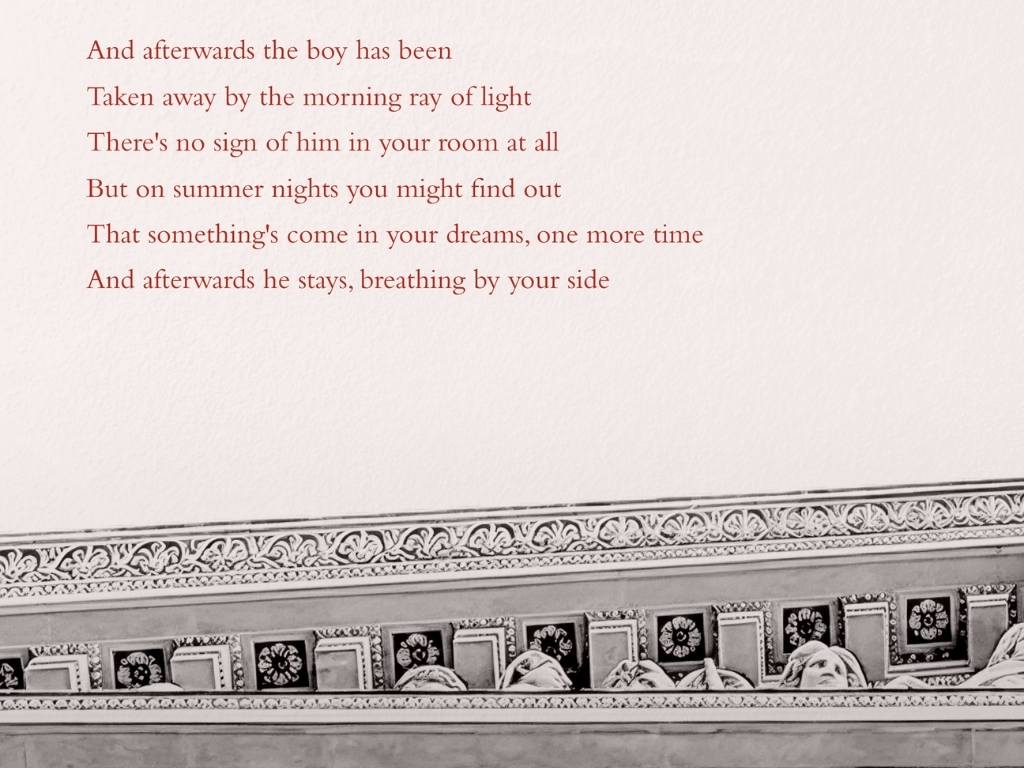
Originally conceived as a re-examination of earlier material, the track shares a lyrical lineage with the song “Free To Fly.”
Indeed, the first verses of “European Son” are nearly identical to its predecessor, serving as a spiritual re-imagining. Where “Free To Fly” captures a fleeting moment of youthful initiation to the world of an adult, “European Son” revisits that same emotional core through a more mature lens where the protagonist has true agency.
At its heart, the song is a study in dualism.
It explores the tension between Reason and Myth—the Apollonian drive for order, structure, and rationality versus the Dionysian pull of instinct, chaos, and the wild. Also, it’s a song about these two forces each human being recognizes in ourselves. We long to be free and live with the nature, but the world demands rational behavior from us in order for our societies to work properly.
2. Musical Evolution & Sonic Identity
The production process with Juho was very iterative.
With Juho we sought a sonic identity that could balance an upbeat, danceable melody with introspective, complex lyrical themes. To achieve this, the production phase involved a lot of experimentation with diverse genres and reference tracks to shape the song’s unique frequency.
The following tracks were analyzed and their various styles tested to find the identity for the song:
- Olivia Newton-John – “Xanadu”
- Duran Duran – “Girls on Film”
- Alastair Lane – “Roman d’Amour”
- Bananarama – “Shy Boy”
- Amanda Lear – “Assassino”
- Edvard Grieg – “In the Hall of the Mountain King”
- Supertramp – “The Logical Song”
During our experimentation the identity of my “European Son” started to emerge which meant the song had developed its own “wings” and could fly independently.
The result is a soundscape that blends 80s synth-pop textures with contemporary cinematic electronic elements. The arrangement was designed to feel familiar enough to invite the casual listener, while retaining the structural depth to reward repeated analysis.
The production aims to mirror the song’s thematic conflict: the warmth of the melody contrasts with the cold precision of the instrumentation, creating a tension that drives the track forward.
3. Thematic Architecture: The Character Study
Beyond the sonic landscape, “European Son” also functions as a character study.
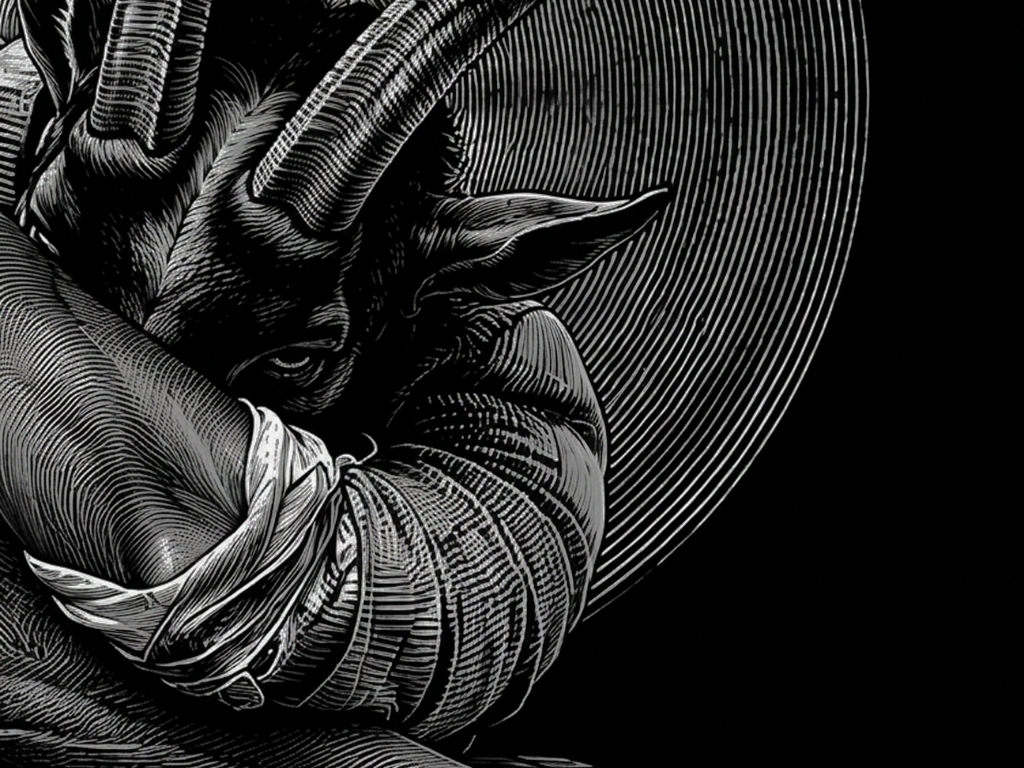
The protagonist is not a fictional hero in a traditional sense, but a synthesis of the Satyr (representing wild instinct and myth) and the Modern Man (representing rational structure and society). This duality is engineered into the song’s delivery, where the vocal performance oscillates between vulnerability and command.
This approach aligns with the project’s “Two-Layer System.”
For the casual listener, the track operates as a catchy, accessible pop song with a strong hook. For the “pattern seeker,” however, the track serves as a map of European cultural history.
The sonic choices and lyrical references are intended to act as coordinates, inviting the listener to decode the relationship between the ancient and the modern. The character is not choosing one side over the other; he is embodying the friction between them.
4. Visual Philosophy & Artistic Intent
The visual strategy for the single was developed in tandem with the audio to ensure a unified thesis.
The cover art features a Satyr in a tailor-made suit, reading a book. This image is a manifestation of the song’s core argument: that civilization is built on the fusion of the wild and the rational. The suit represents the Apollonian structure, while the Satyr represents the Dionysian reality beneath it.
Ultimately, “European Son” is an attempt to create a work that feels timeless.
It seeks to bridge the gap between ancient myth and modern reality, suggesting that the patterns of human behavior remain consistent even as the technology changes. The artist invites the listener to find their own pattern within the noise, acknowledging that the cost of emotional investment is the same whether in the 1830s or the 2020s.
So, this is not a story of resolution, but of recognition.
More about European Son in here.
Leave a Reply